Phacoworld

Ophthalmic
Wet Lab Training

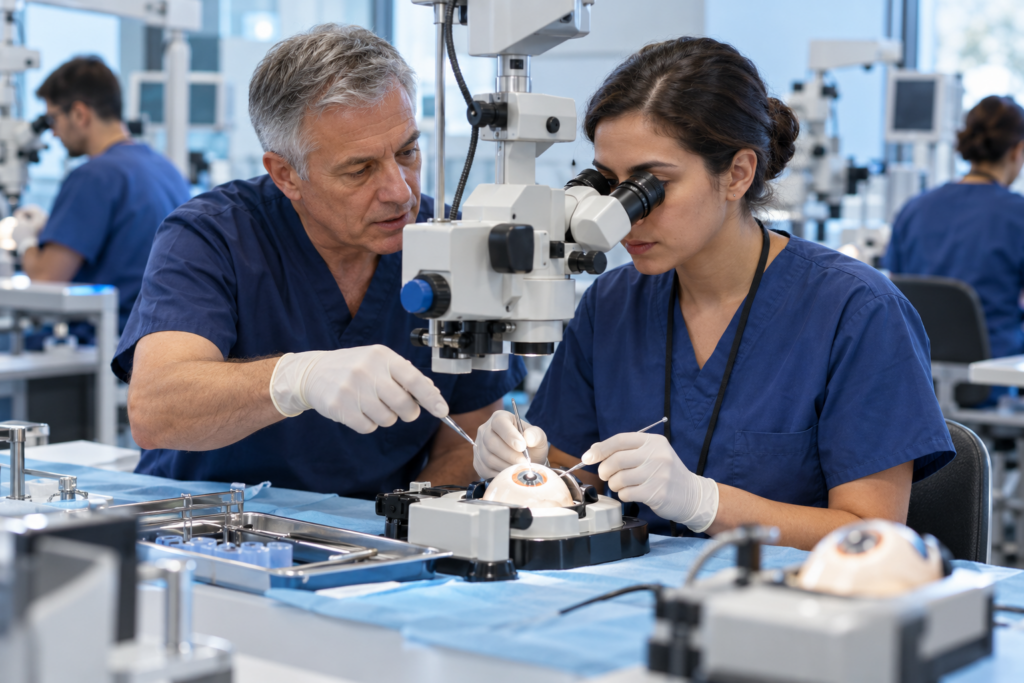
Build familiarity with ophthalmic instruments and core surgical movements through wet lab training at Phaco World in Egypt. Explore microscope use, instrument handling, and simulation-based skills practice in a dedicated learning setting.

About the training

Build Your Foundation Through Simulation

Developing ophthalmic skills takes familiarity, coordination, and repeated practice. Phaco World’s Wet Lab Training focuses on the fundamental movements and equipment knowledge that support wider surgical education.
Proposed activities include microscope familiarisation, instrument handling, hand–eye coordination, and selected exercises using training models. Depending on the session, learning may include incision practice, capsulorhexis simulation, or suturing exercises.

Ophthalmic Wet Lab Training Highlights

Explore foundational skills through focused exercises and familiarity with the tools used in ophthalmic training.

Microscope Familiarisation

Build your understanding of microscope positioning, visualisation, and the adjustments involved in a comfortable practice setup.

Instrument Handling

Develop familiarity with ophthalmic instruments and the controlled movements involved in working within a small field.

Hand–Eye Coordination

Practise coordinating visual information and instrument movement through exercises suited to your experience level.

Incision Simulation

Explore selected anterior segment skills using suitable training models and structured simulation exercises.

Suturing Practice

Develop familiarity with needle handling, instrument coordination, and suturing movements on appropriate practice materials.

Skills Review

Reflect on your practice, identify difficult movements, and discuss areas that would benefit from further development.

Why Choose Phaco World for Wet Lab Training?

Simulation-Based Learning

Explore selected skills using training models before progressing to other forms of surgical education.

Foundational Focus

Concentrate on equipment familiarity, coordination, and controlled instrument movements.

Purposeful Practice

Use focused exercises to identify challenges and develop a more structured approach to practice.

Training Progression

Discuss how wet lab learning can complement your wider ophthalmology education and future course choices.

Start Building Your Ophthalmic Skills

Tell us about your experience and the techniques you would like to practise.

Explore the Wet Lab Learning Environment
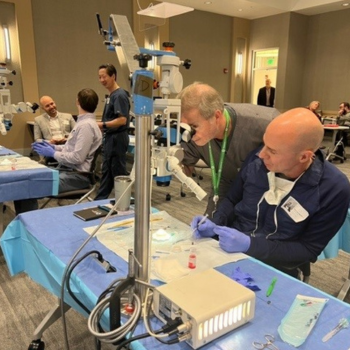
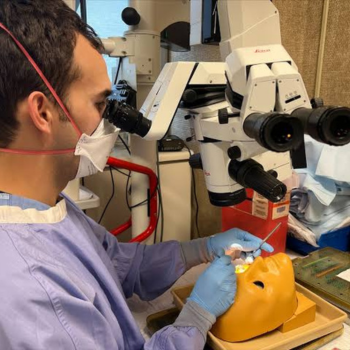
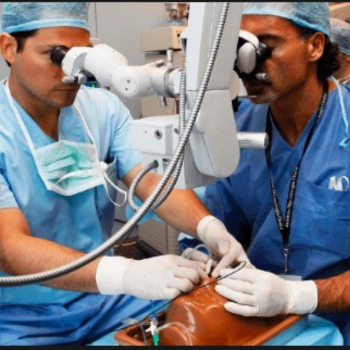
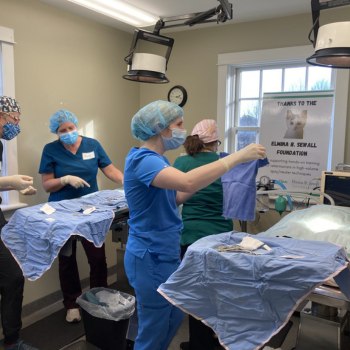
An illustrative look at microscope workstations, artificial eye models, and ophthalmic skills practice.

faqs

Frequently Asked Questions

Find out more about the programme and what to discuss with our team before enrolling.
Who is Ophthalmic Wet Lab Training for?
Wet lab training may suit ophthalmology trainees and clinicians seeking to develop familiarity with instruments or practise selected skills. Contact our team to confirm eligibility and exercises appropriate to your experience.
The starting level depends on the activities offered in your chosen session. Share your background when enquiring so our team can explain whether the available exercises suit your needs.
Ask our team for the training models and practice materials provided in your preferred session. The AI-generated images on this page are illustrative and do not confirm the actual materials used.
Proposed activities include microscope use, instrument handling, hand–eye coordination, incision and capsulorhexis simulation, and suturing. The confirmed exercise list will depend on your selected programme.
Contact our team to confirm what is included, whether workstations or instruments are shared, and whether participants need to bring any materials.
Send an enquiry or contact us through WhatsApp with your experience and preferred dates. Our team will provide the available sessions, location, fees, and enrolment details.

get in touch

Discuss Your Wet Lab Training Goals

Tell us about your ophthalmology background and the skills you want to practise, from microscope use to instrument handling and simulation exercises.
Our team will help you explore suitable sessions and the next steps for enrolment.