Phacoworld

Strabismus
Surgery Training

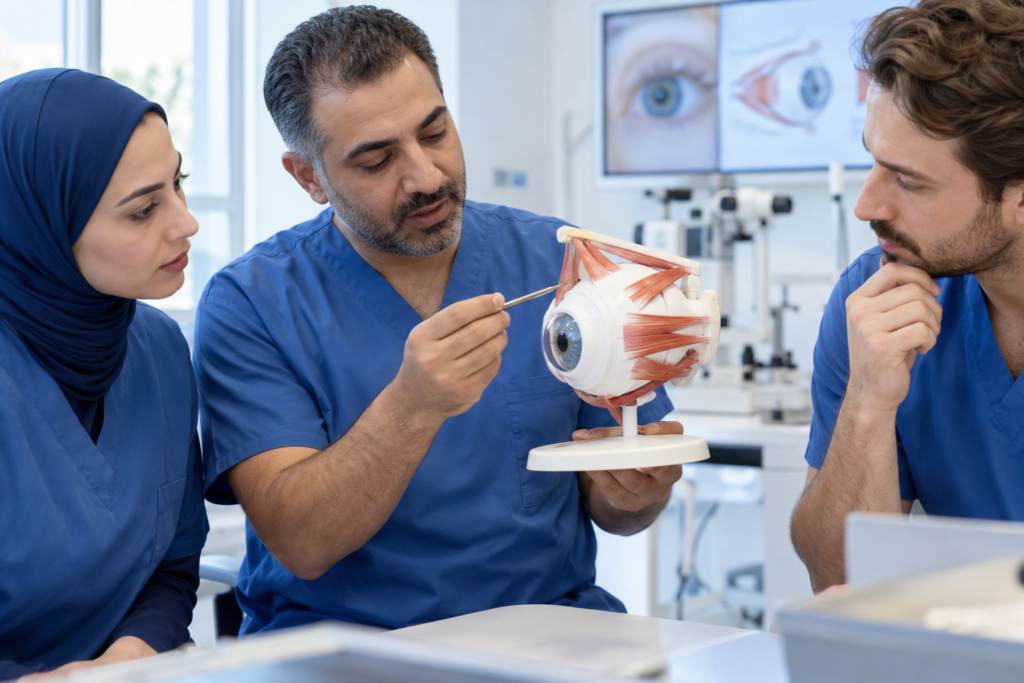
Strengthen your understanding of ocular alignment and surgical planning with strabismus surgery training at Phaco World in Egypt. Explore assessment principles, extraocular muscle anatomy, and the clinical reasoning behind treatment decisions.

About the training

Connect Strabismus Assessment with Surgical Decisions

Understanding strabismus requires careful evaluation of ocular alignment, movement, and binocular function. Phaco World’s Strabismus Surgery Training focuses on connecting these findings with the principles of surgical planning and postoperative assessment.
Proposed learning areas include ocular motility evaluation, deviation measurement, extraocular muscle anatomy, and recession and resection concepts. The emphasis is on developing a systematic approach to assessment while recognising the factors that make each case different.

Strabismus Surgery Training Highlights

Explore the assessment skills and anatomical principles that inform strabismus surgical learning.

Ocular Motility Assessment

Develop your understanding of eye movements and the role of motility findings in evaluating strabismus.

Deviation Measurement

Explore the principles of assessing ocular misalignment and documenting findings to support clinical reasoning.

Binocular Vision Concepts

Review how binocular function relates to strabismus assessment, patient symptoms, and treatment objectives.

Extraocular Muscle Anatomy

Strengthen your knowledge of the muscles and anatomical relationships involved in ocular movement and alignment.

Surgical Planning Principles

Explore recession and resection concepts and the factors considered when discussing a surgical approach.

Postoperative Evaluation

Understand the role of follow-up in assessing alignment, function, and concerns after strabismus surgery.

Why Choose Phaco World for Strabismus Training?

Systematic Assessment

Focus on organising clinical findings into a clear approach to strabismus evaluation.

Anatomical Understanding

Connect extraocular muscle anatomy with eye movements and procedural concepts.

Clinical Reasoning

Explore how alignment, function, and individual case characteristics influence planning.

Professional Growth

Identify knowledge gaps and discuss the learning priorities most relevant to your experience.

Develop Your Understanding of Strabismus Surgery

Tell us about your clinical background and training goals.

Explore Strabismus Learning

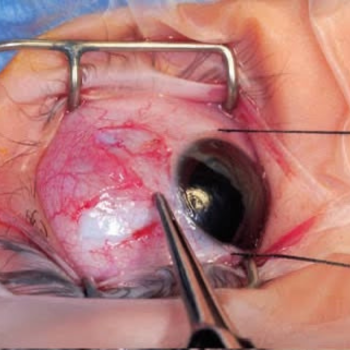
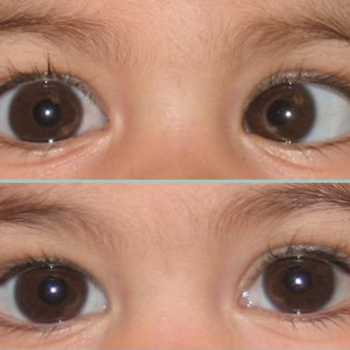
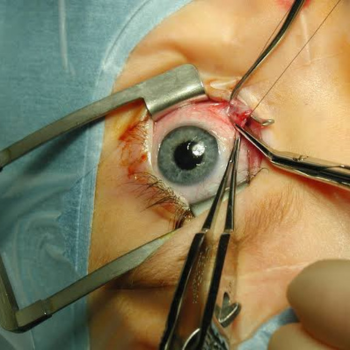
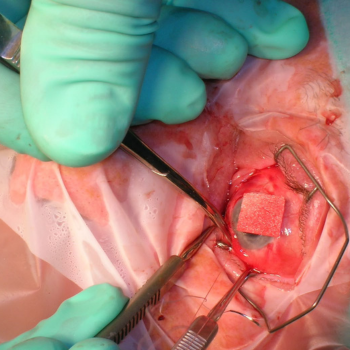
An illustrative look at ocular alignment assessment, anatomical teaching, and ophthalmic education.

faqs

Frequently Asked Questions

Find out more about the programme and what to discuss with our team before enrolling.
Who is Strabismus Surgery Training for?
This programme is intended for ophthalmologists seeking to develop their knowledge of strabismus assessment and surgical principles. Our team can help you assess whether it suits your clinical experience and goals.
Contact our team to confirm the balance of adult and paediatric topics in your preferred session. Ask which case types are discussed and what clinical exposure is available.
Suitability depends on your ophthalmology background and existing assessment and surgical skills. Share your experience when enquiring so our team can explain the entry requirements.
These are proposed learning areas, alongside binocular vision concepts and extraocular muscle anatomy. Request the confirmed curriculum to understand the scope and depth of assessment teaching.
Ask about the specific format offered, including assessment demonstrations, simulation, observation, and any supervised participation. Confirm access and eligibility before enrolling.
Send an enquiry or contact Phaco World through WhatsApp. Include your experience level and preferred dates so our team can provide relevant session details and enrolment information.

get in touch

Discuss Your Strabismus Training Goals

Tell us about your ophthalmology experience and the assessment or surgical topics you want to develop.
Our team will help you explore programme suitability, available sessions, and the next steps for enrolment.